
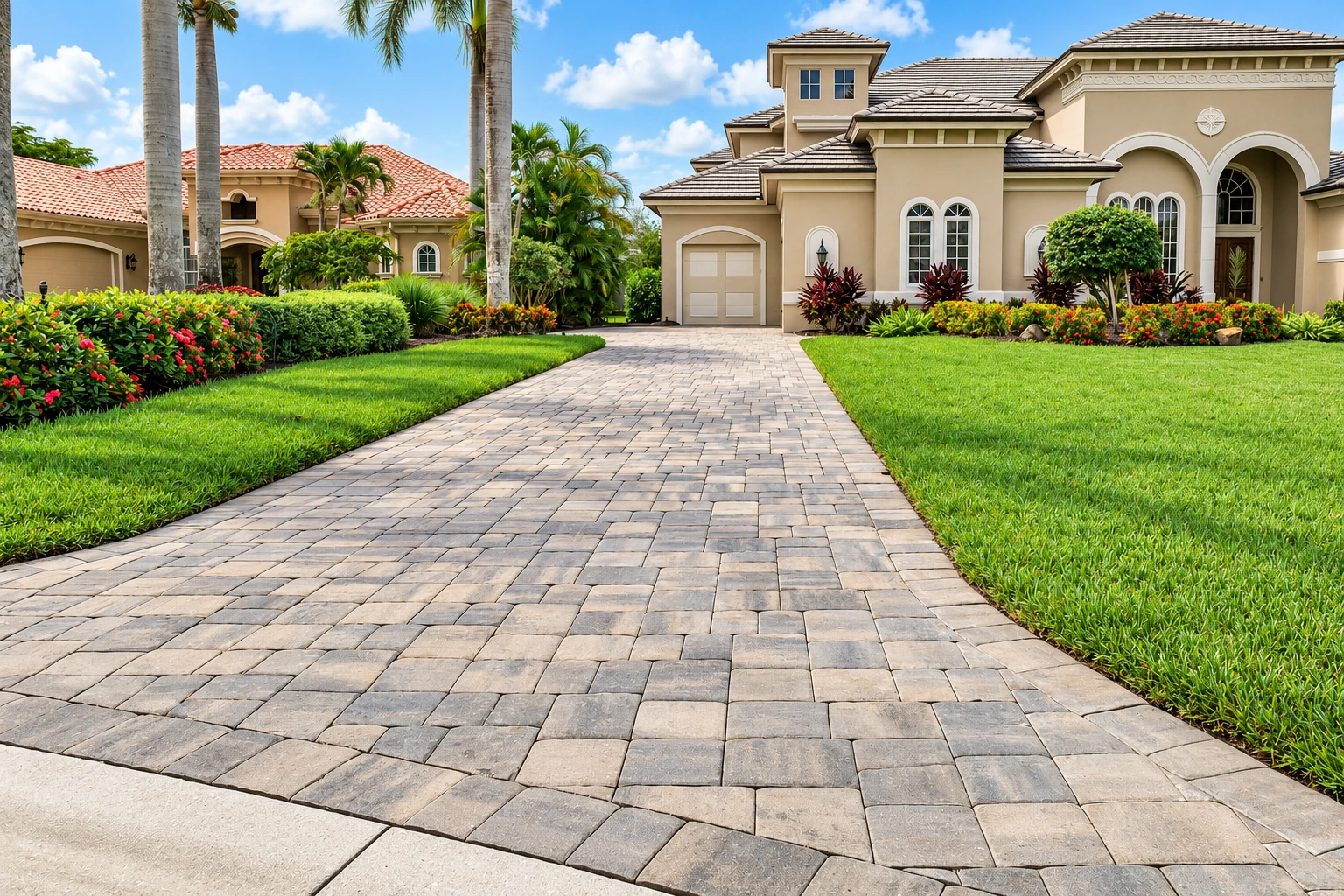
Whitehouse sits just southeast of Tyler, where we're based, so it's an easy run for our crew, the same as Tyler itself or Lindale up north. It's mostly a city of family homes, many with brick on the front or all the way around, from older streets near the center to newer subdivisions on the edges. The calls we get there are the ones we get across the cities around Tyler: cracked brick, worn mortar joints, a tired chimney, or a yard that needs a wall, a walkway or a new driveway.
The ground here moves, and brick shows it first. Settling usually turns up as stair-step cracks along the mortar lines, so before we patch anything we figure out why it cracked, because a patch over a wall that's still moving just cracks again.
What moves the price and the schedule
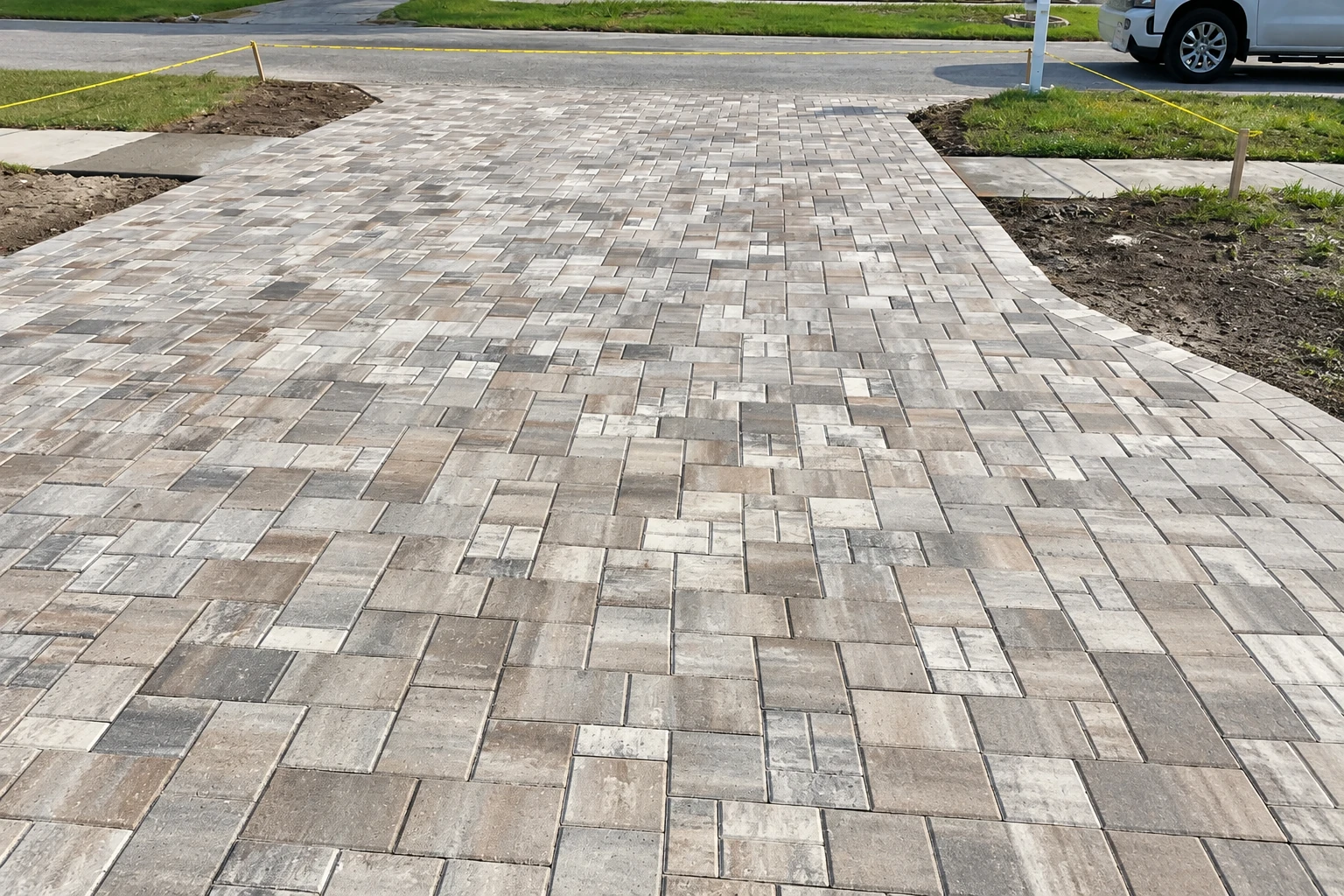
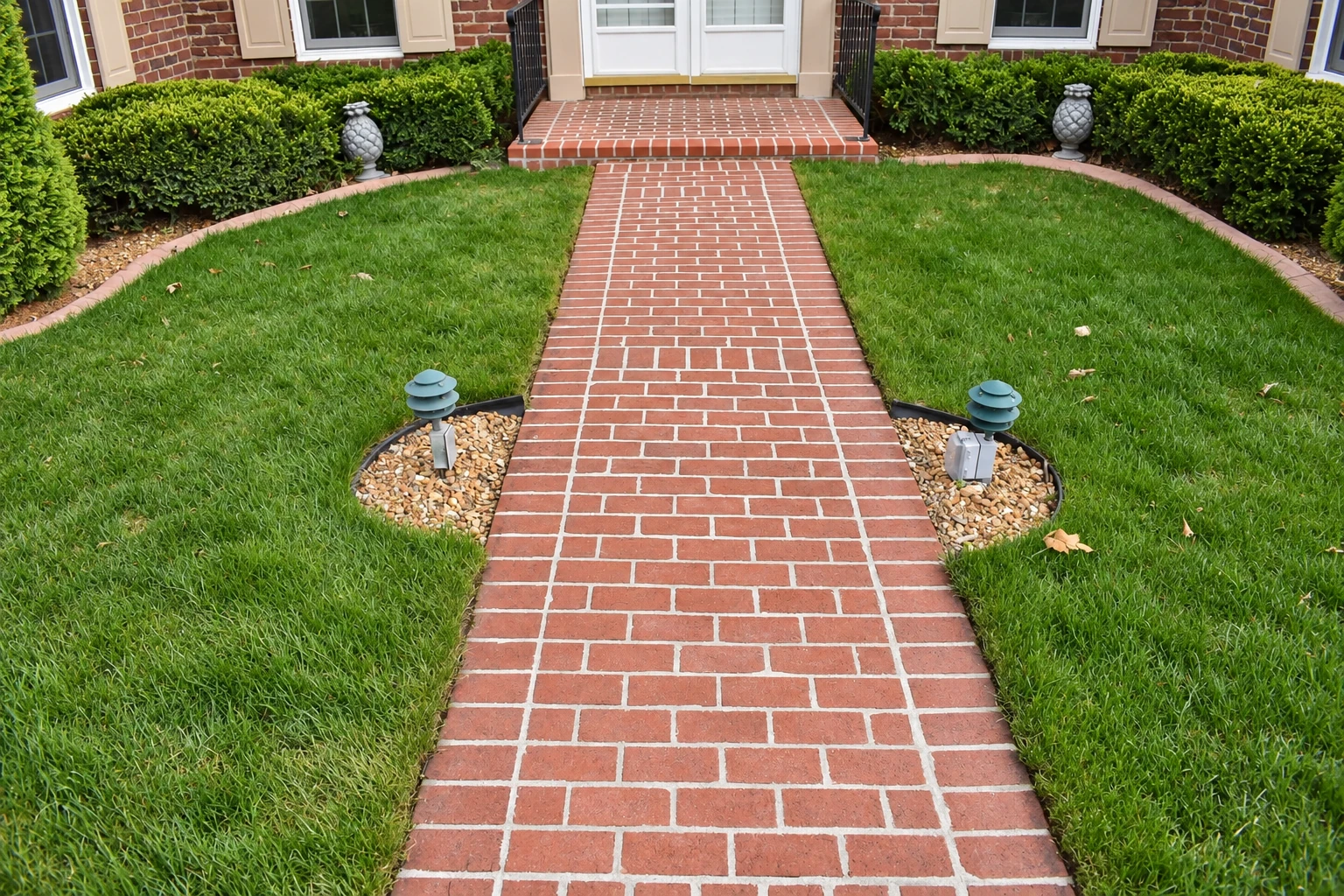
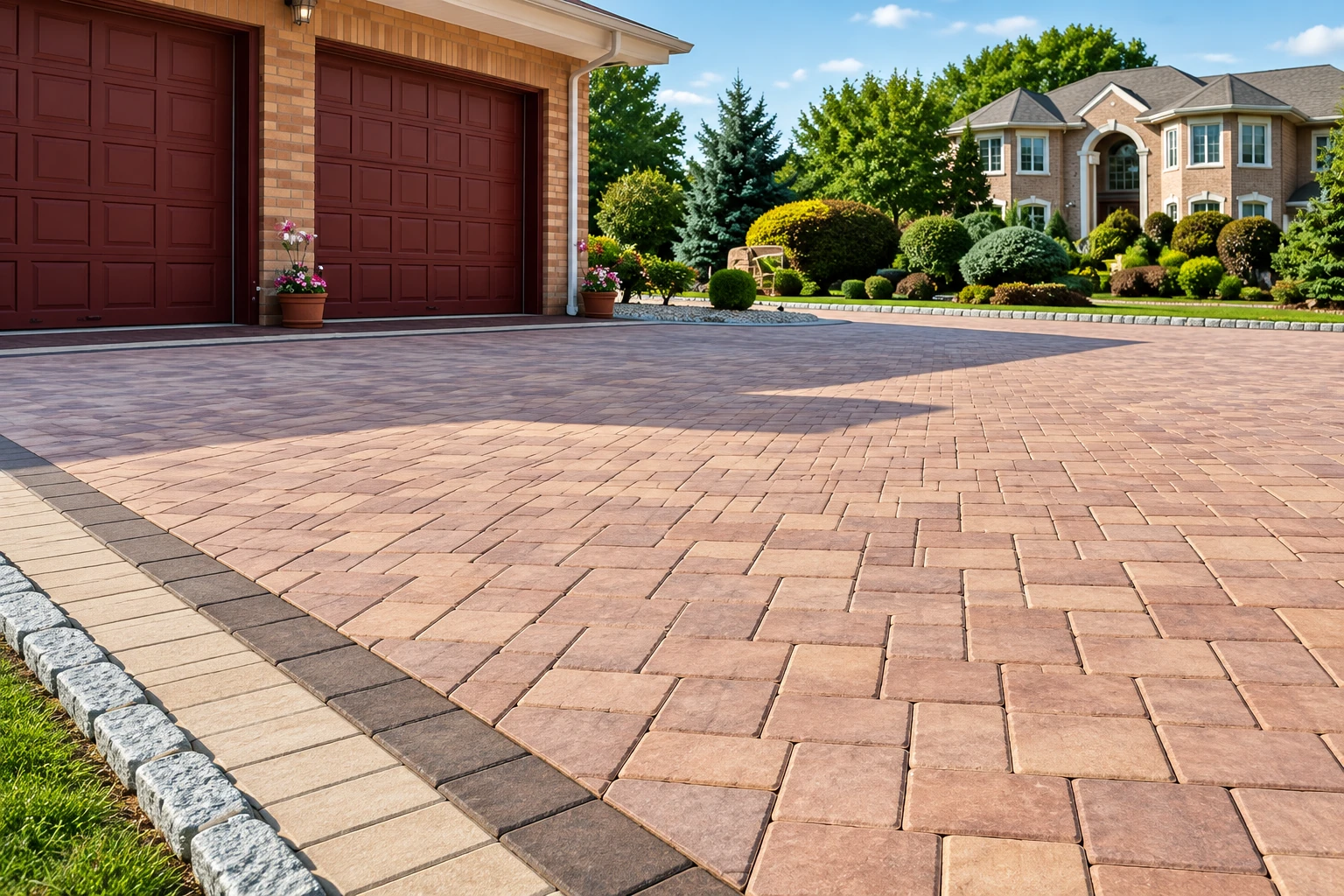
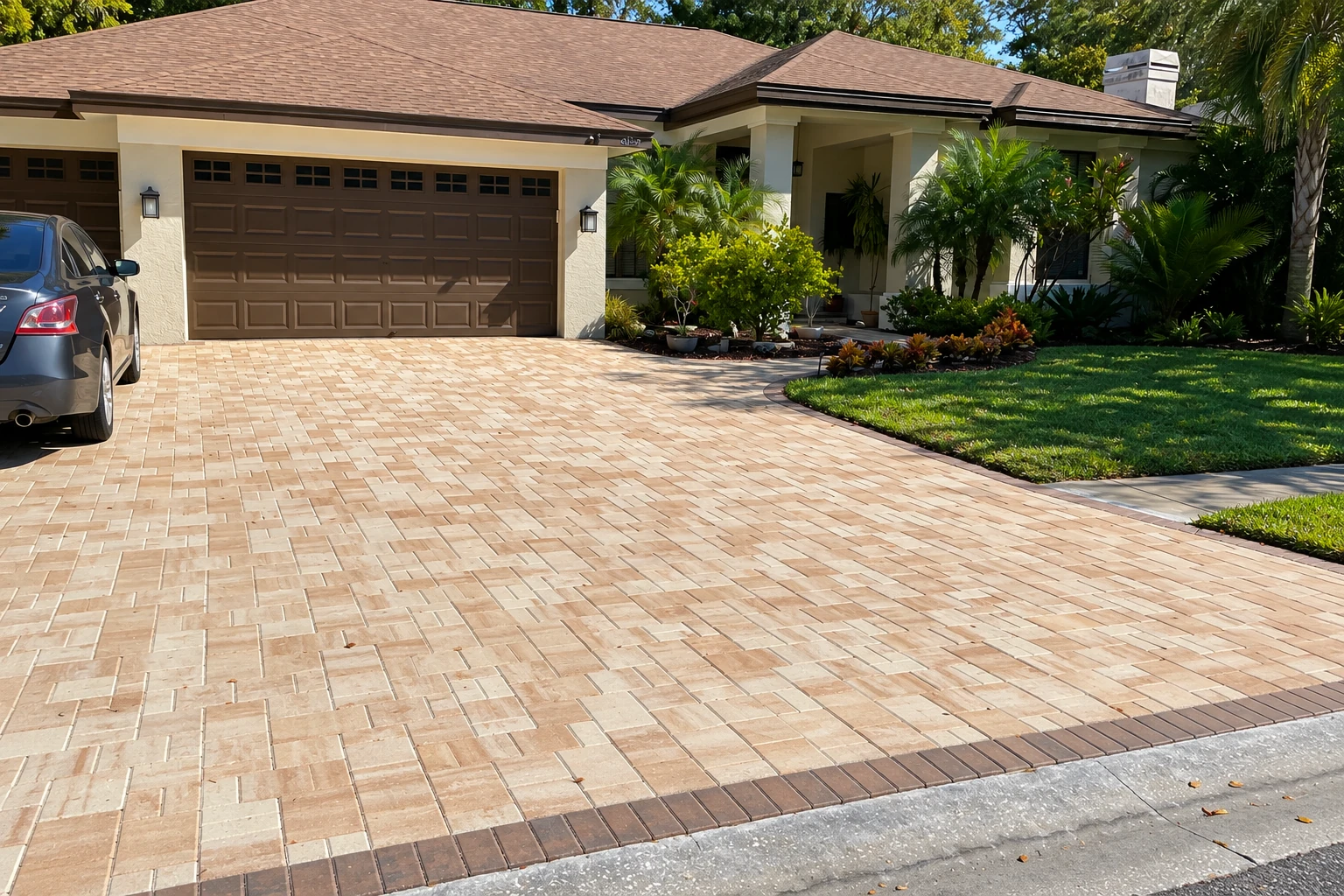
On a repair, the price mostly follows how much brick or mortar has to come out and how hard the old work is to match. Height and access count too, since a chimney or a tall wall means scaffolding. On a new wall, walkway or driveway, it's the size, the material and what the ground needs underneath. The schedule turns on the permit, when one's needed, and on wet weather, because the city skips concrete inspections when conditions are too wet and the contractor has to reschedule. I come out and write the estimate myself, and a lead mason runs the crew on site, so you know who to ask.
Permits come before the first shovel
In Whitehouse, the permit and its fees have to be in hand before any work starts, and if work starts without one, the city doubles the fee. So we don't dig or tear anything out until that's settled. We check with the city on each job, and when a permit is needed we file it and keep the paperwork moving. Retaining walls are the one to watch on a sloped yard. A wall over 4 feet tall, counting the footing below ground, needs an architect's or engineer's seal on the application, which adds a step. If a lower wall will hold your yard, I'll say so.
Repairs that blend in with the old brick
Most of our calls are for brick and mortar repair, and the goal is a patch you can't pick out from the street. That means matching the brick's size and color and the mortar's color and joint shape, so we work out the match before we lay anything. Chimneys get the same care. A chimney repair usually starts at the crown and the top courses of brick, where water does the most damage. If a crack is old and stable, I'd rather tell you it can wait than sell you a repair you don't need.