
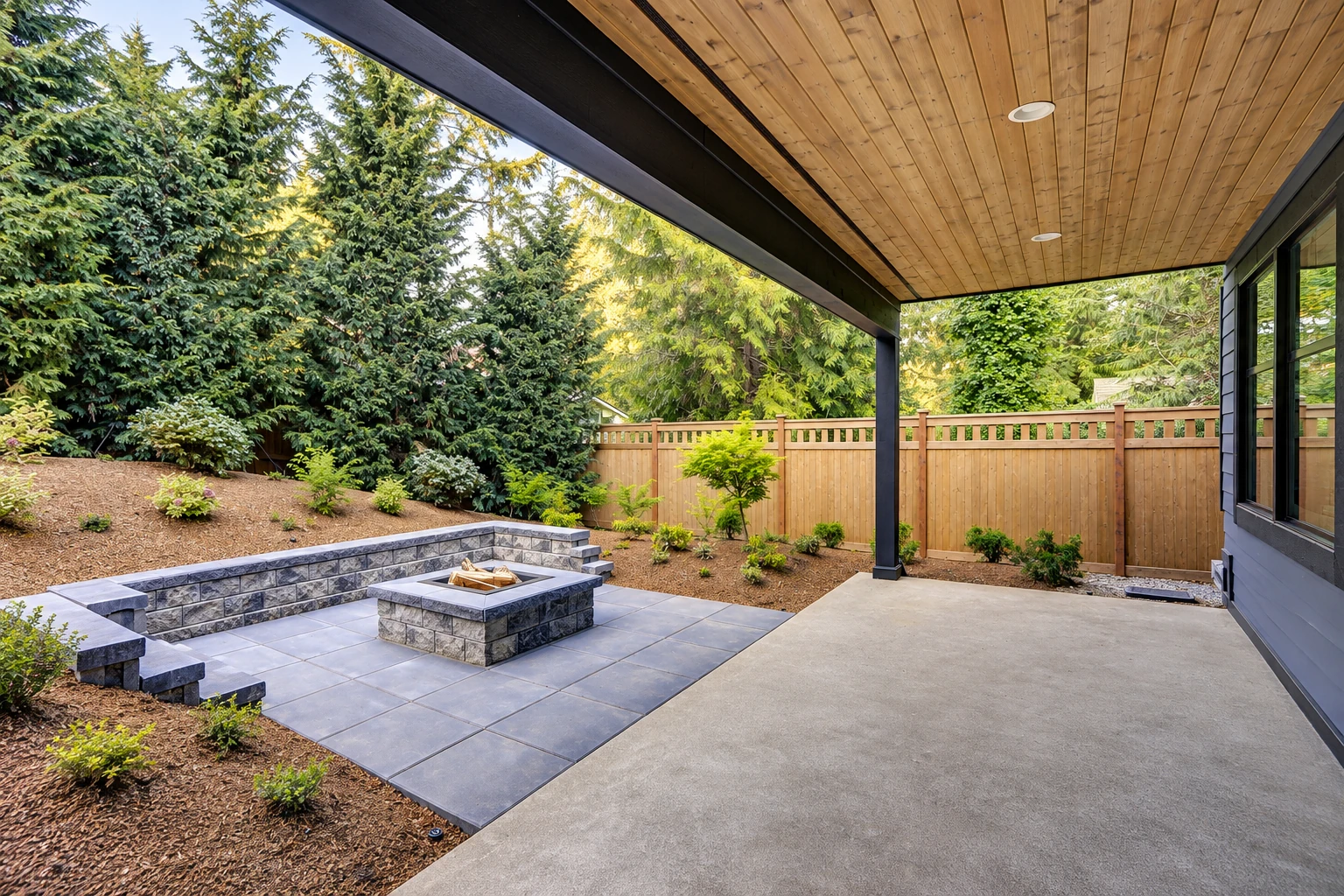
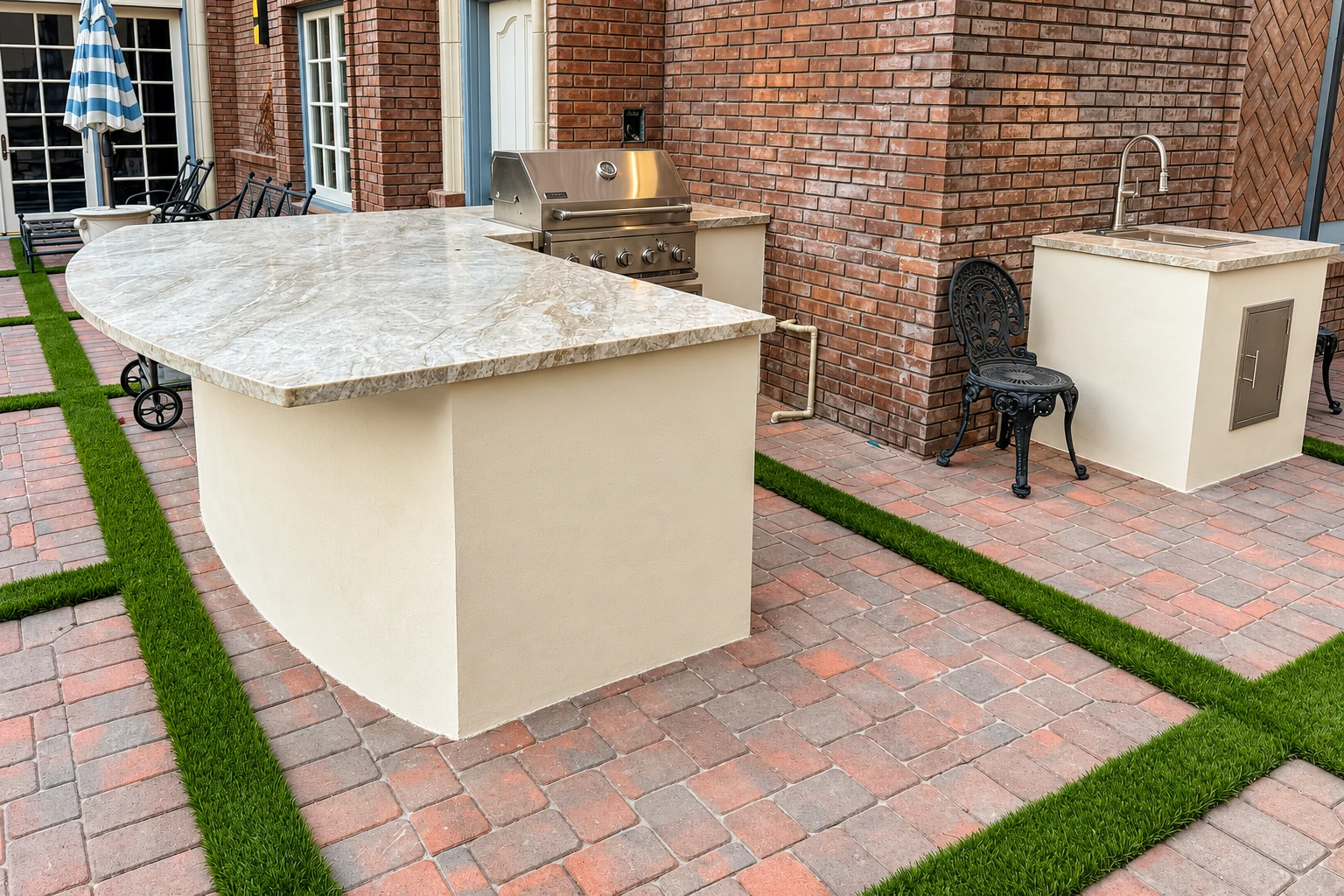
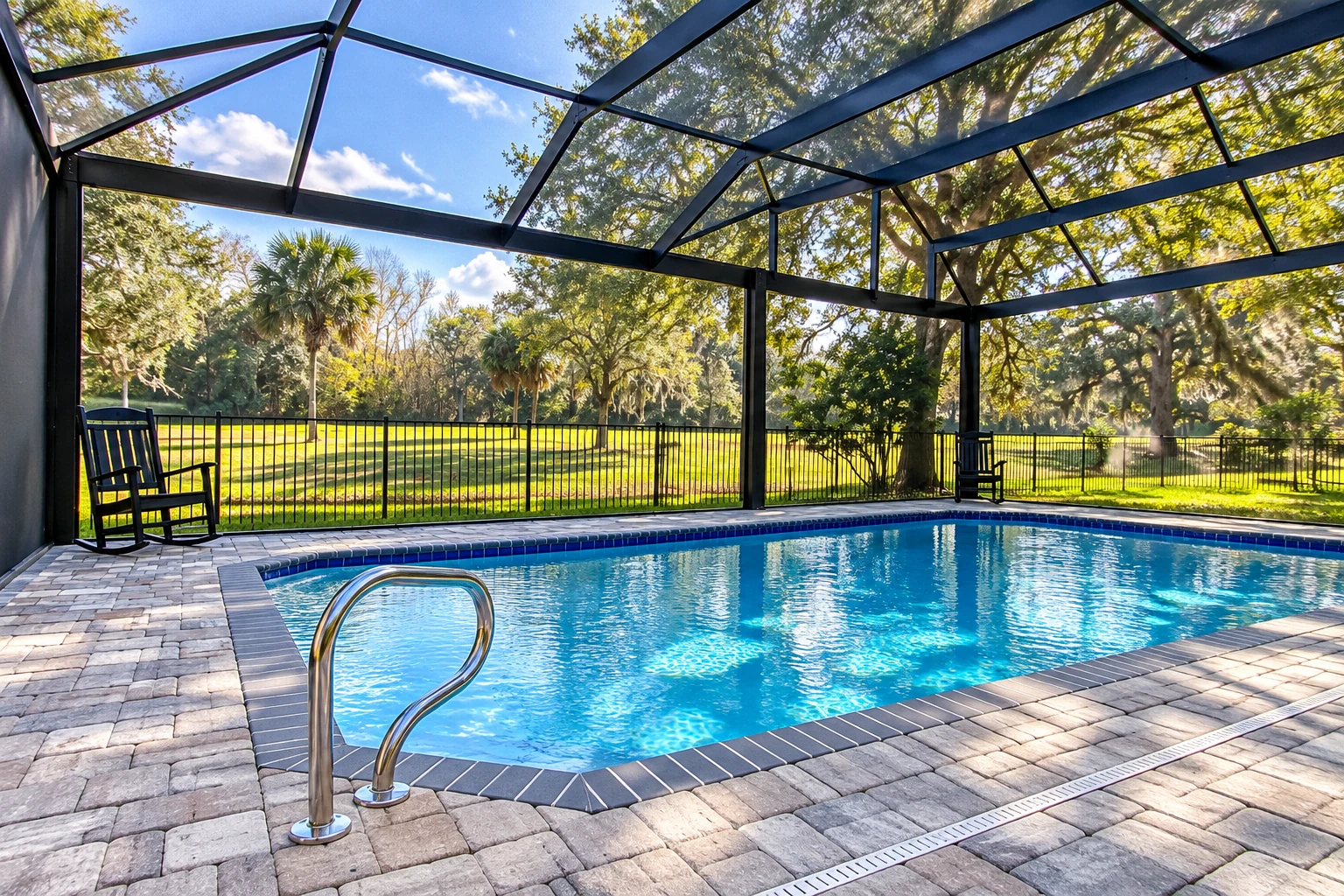
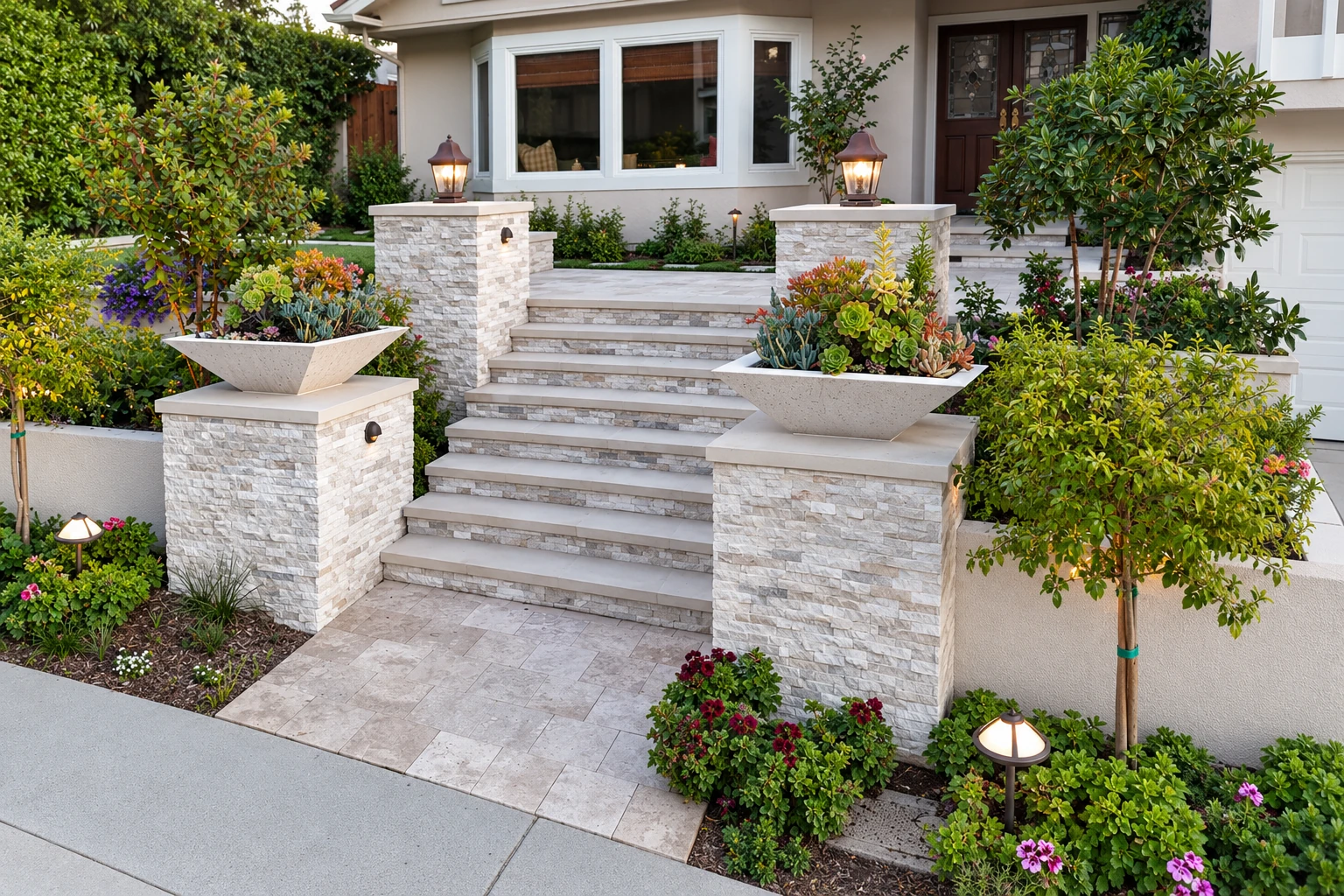
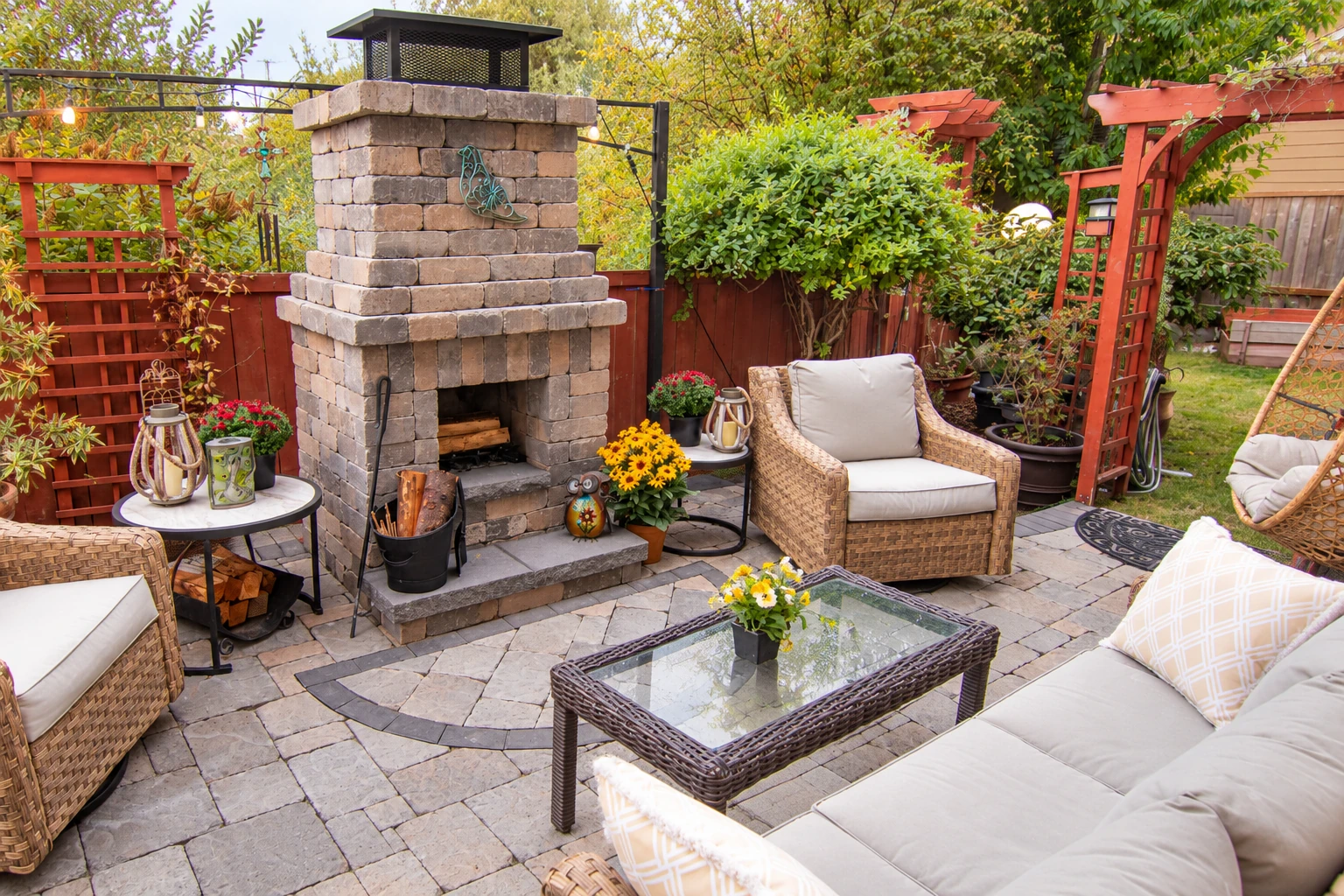
White Oak sits in the rolling hills and piney woods along US 80 in Gregg County, and we come over from our base in Tyler for jobs here. The calls are the same ones I've been answering since 2013: brick homes with worn mortar joints, chimneys starting to let go, and yards that need a wall, a walkway or a driveway. We also work in Longview and Gladewater, so the houses and ground around here aren't new to us. On every job, I want the repair to look like it belongs to the house, not like a patch.
Most jobs here come down to the ground. Lots roll, so water is always headed somewhere, and pine roots keep working at footings, walkways and the base of walls year after year.
What sets the price and the schedule
Price comes down to how much work is really there and how hard it is to reach. Repointing a short run of cracked mortar costs less than rebuilding a section, matching old brick and mortar color takes longer than new work, and a wall that steps up a slope needs more digging and base than one on flat ground. Tight access around the house adds labor too. The schedule turns on whether the city needs a permit, how long matching brick takes to find, and the weather, because mortar shouldn't go down in hard rain or a freeze. I come out, look at the job and put your number in writing.
Building walls on rolling lots
Rolling lots are why we get so many wall calls here. A retaining wall holds back soil and the water behind it, so most of the job is the part you never see: digging to firm ground, packing the base, and putting gravel and drainage behind the wall so water has a way out instead of pushing. Skip that and a wall leans no matter how good the face looks. For taller or longer runs we often build concrete block walls, which can be faced with brick or stone to match the house. If a low wall or some regrading will do the job, I'll tell you that instead.
What we check before we dig
Before we dig a footing or a walkway base, we want to know what's under the yard. The city's sewer doesn't reach a few areas, so if your house isn't on city sewer, show us where the tank and lines run, because a footing doesn't belong on top of them. Pines are the other thing. Their roots lift walkways and crack the base of walls over time, so we look at which trees are close, set the wall or path where roots will do the least harm, and talk it through with you before anything gets poured. Sorting this out up front keeps the job from changing halfway through.