

Most of the calls we get as a masonry contractor in Tyler, TX come from people in older brick homes. The mortar has gone soft and sandy, a few bricks have cracked, or the chimney is looking tired up top. I started on my own here in 2013 after years of running another mason's crews, and the work we're known for is brick and mortar repair that blends in with the old work, so a patch doesn't stand out from the street.
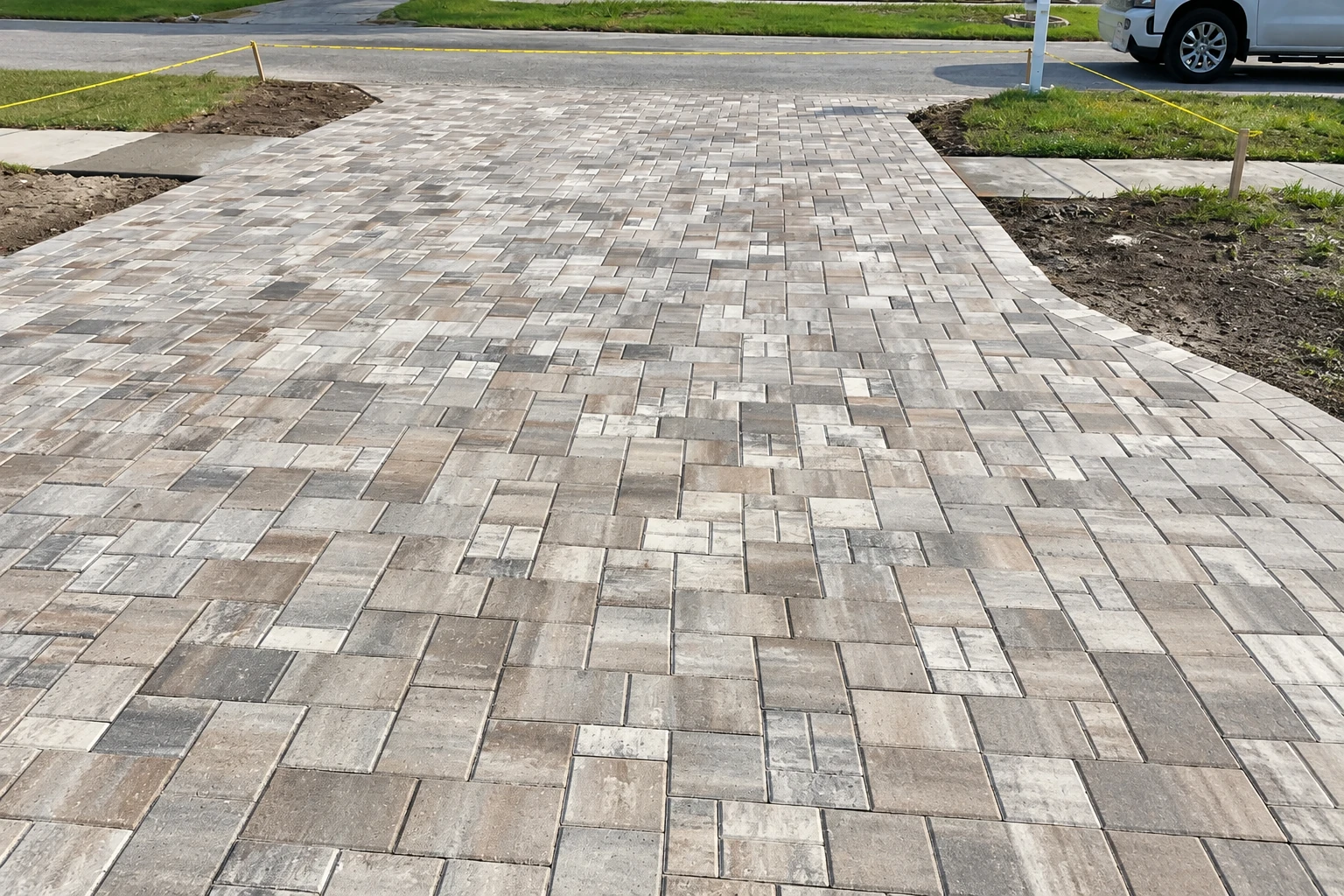
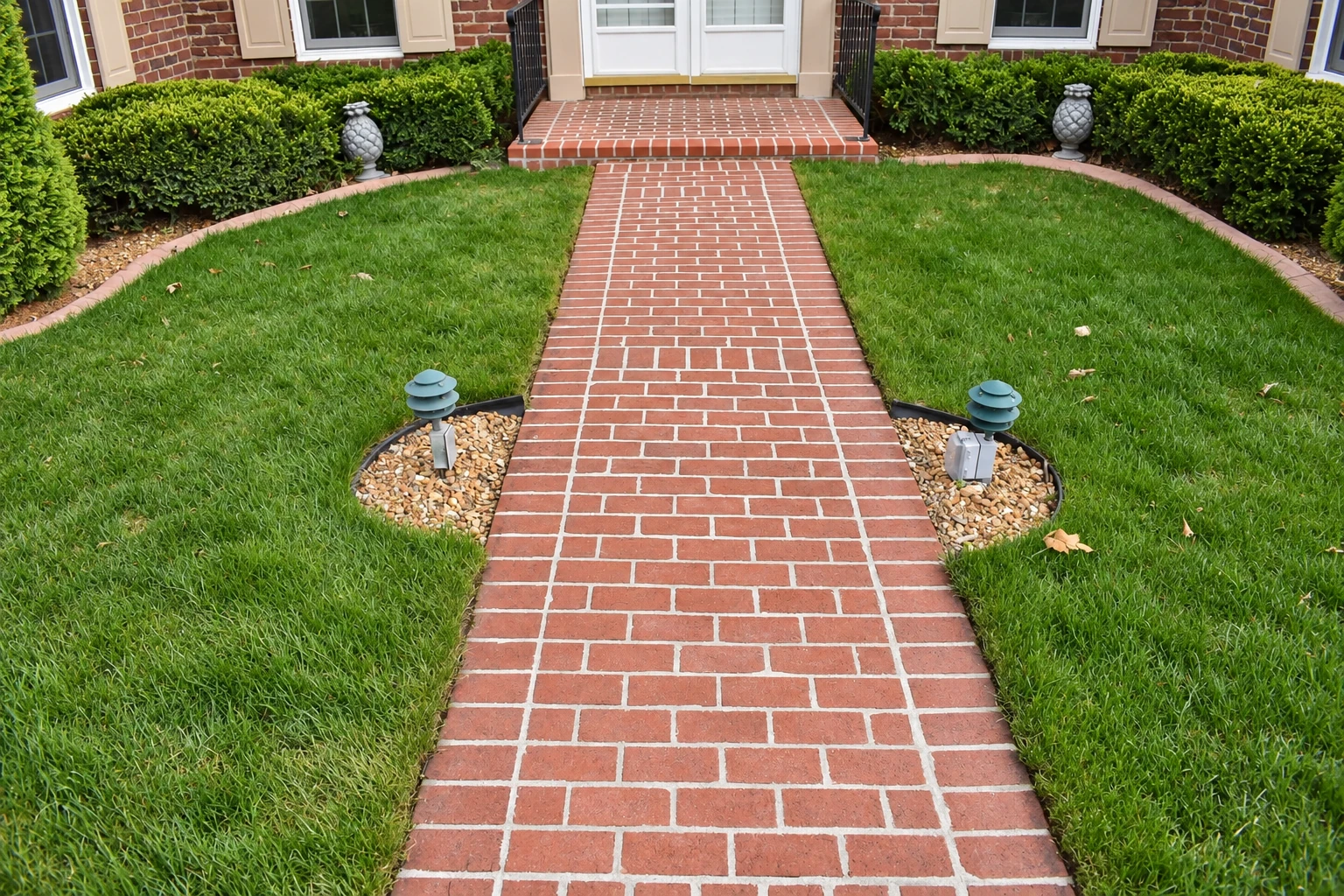
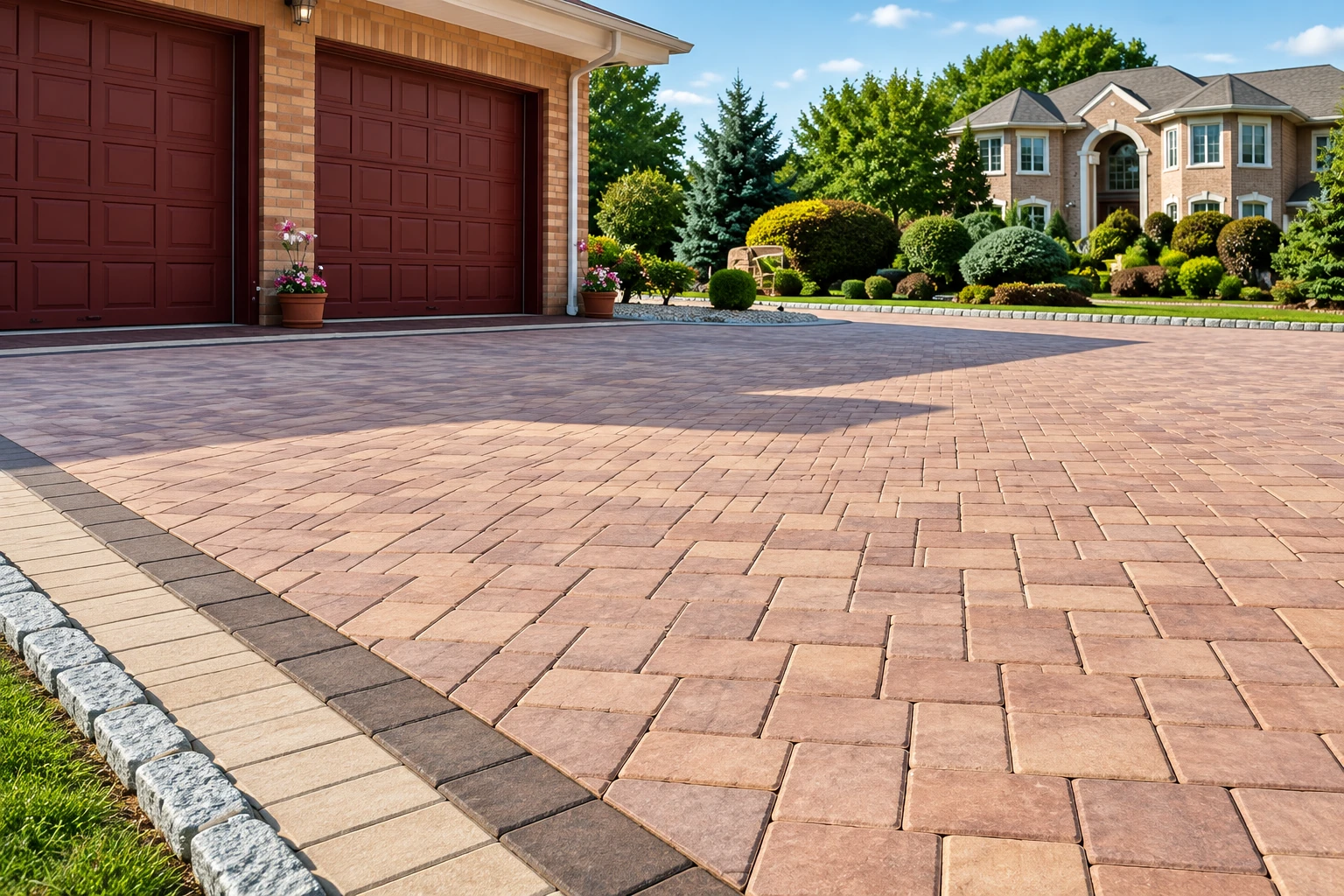
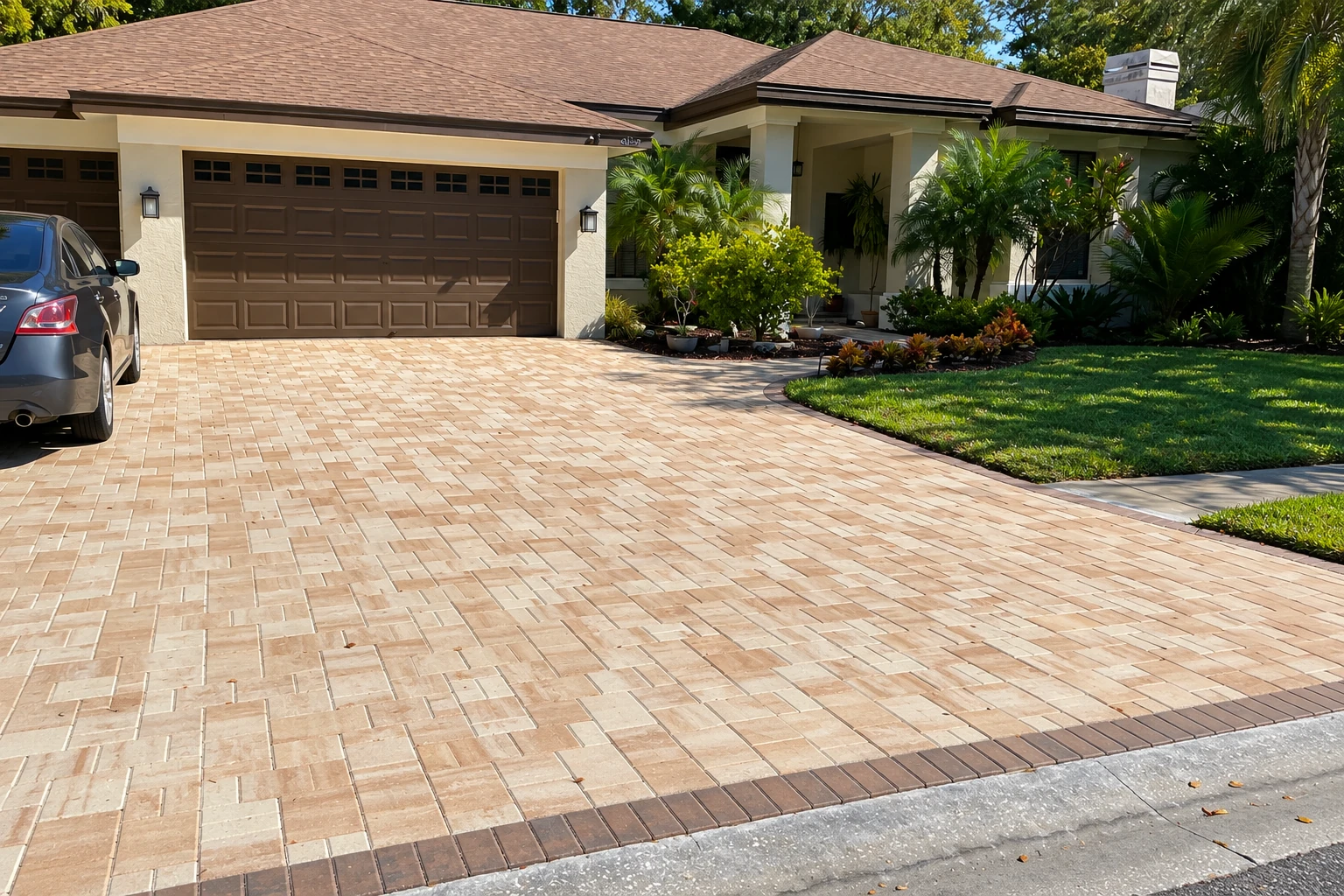
The rest are yard jobs, like a retaining wall where the ground falls away, a walkway or a driveway. We do the same work out in Whitehouse and Lindale, but in Tyler the job runs under the city's permits and codes, and on an older house the real work is matching brick and mortar that's had years to weather.
Permits for walls and driveways in Tyler
The City of Tyler requires a permit for every retaining wall, whatever its size, and a wall over four feet tall also needs plans signed and sealed by a licensed engineer. Replacing a driveway needs a permit only when the approach gets replaced too, the section that meets the street, and the city has to approve that plan before work starts. City rules apply inside city limits, and SmithCountyMapSite.org shows whether your property is in them. We check with the city on each job, file the permit when one's needed and keep the paperwork moving. Contractors register with the city by sending in their licenses and proof of insurance, and we're licensed and insured.
What sets the price and the schedule
Price comes down to how much brick or mortar needs work, how hard it is to match what's already on the house, and how high or tight the work sits, since a chimney top takes more setup than a garden wall. On a retaining wall, height matters most, because a taller wall brings in the engineer's plans mentioned above. The schedule turns on the permit, the engineer when there is one, and how long it takes to find brick that matches. I come out, look at the job and write the estimate myself, so your numbers come from the person who saw it. Once work starts, a lead mason runs the crew, and you'll know where things stand without chasing anybody.
When a crack can wait and when it can't
A stair-step crack through the mortar is a call we get a lot on older brick, and the cause decides the fix. If the crack is old and the wall isn't moving, it's often just worn-out mortar, and repointing it, raking out the old joints and packing in new mortar, is usually a smaller job than people expect. If the crack keeps opening up or doors start sticking, the house may be settling, and that's a foundation repair question before it's a brick one. I'll tell you which one I think you have, and if the wall can wait, I'll say so rather than sell you work it doesn't need.